

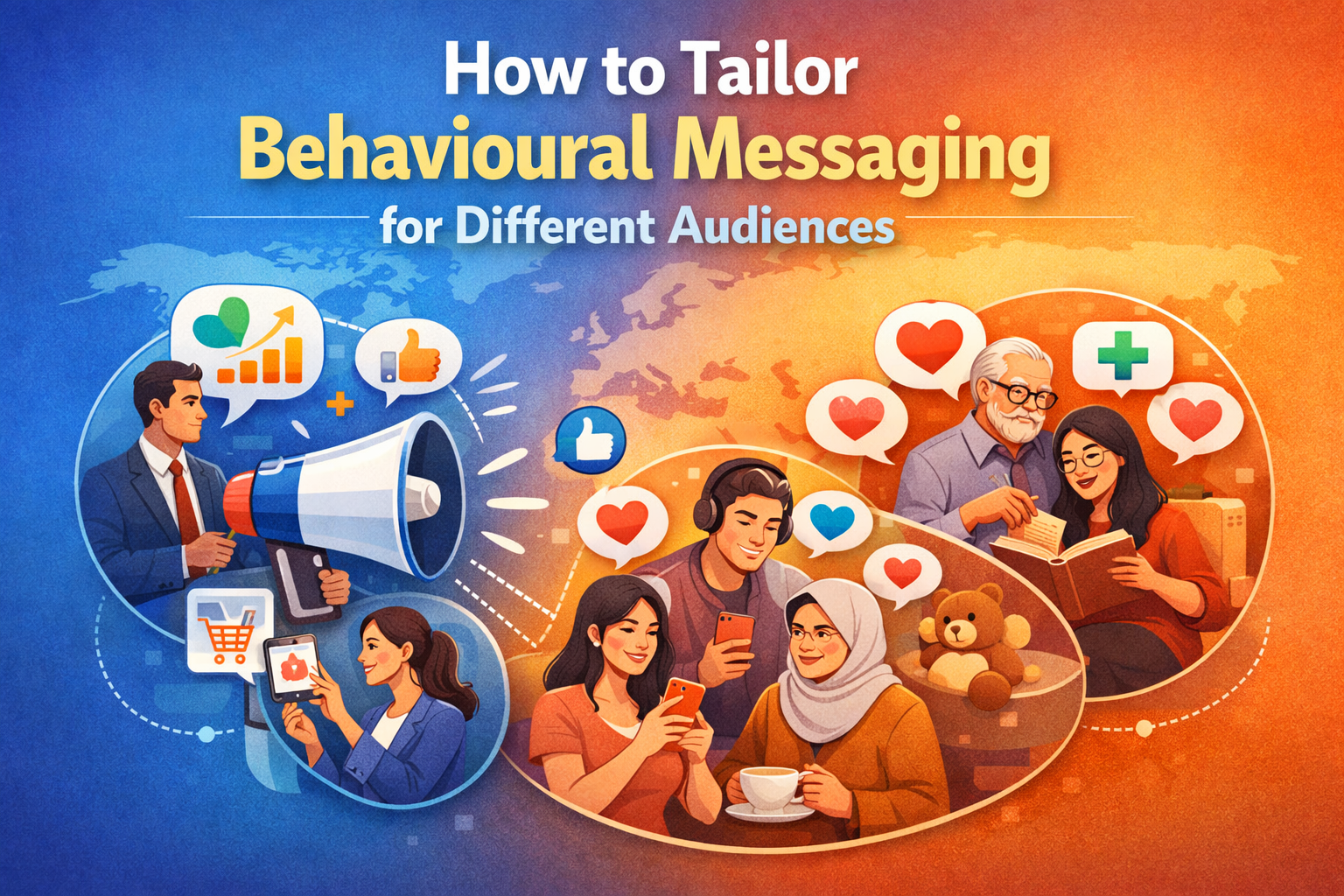
A one-size-fits-all approach to messaging rarely works. Whether in marketing, public health campaigns, or organisational change initiatives, understanding your audience is crucial to effectively influence behaviour. Tailoring behavioural messaging to different audiences ensures that the intended message resonates, engages, and motivates action.
Understanding Your Ance
Before crafting messages, it is essential to know who you are communicating with. Audience segmentation goes beyond basic demographics like age, gender, or location. Psychographics, values, beliefs, and behavioural patterns play a significant role in determining how a message will be received. For instance, a campaign promoting sustainable living may need distinct messaging for environmentally conscious individuals compared with those who are indifferent to ecological issues.
Tools such as surveys, focus groups, and social media analytics can help gather insights into audience motivations, preferences, and barriers. This understanding allows communicators to design messages that align with the audience’s worldview, making the message feel relevant and credible.
Crafting the Right Message
Once the audience is understood, the next step is creating a message that connects. Language, tone, and framing matter. For a younger audience, an informal and visually engaging approach may work best, while a professional demographic may respond more to data-driven and authoritative messaging.
Messages should also focus on clear benefits and actionable steps. Behavioural science teaches us that people are more likely to act when the path forward feels simple and achievable. Highlighting immediate rewards or positive outcomes can strengthen engagement. Conversely, messages framed around avoiding negative consequences should be carefully balanced to prevent resistance or defensiveness.
Understanding the Challenges of Behavioural Change
Tailoring messaging is not just about making content attractive. It also requires acknowledging the psychological barriers people face. Behavioural change can be challenging because habits are deeply ingrained, and resistance to change is natural. Communicators must combine empathy, clarity, and motivational techniques to help guide their audience. For those seeking a deeper exploration of these challenges, the changing people’s behaviour approach offers valuable insights into why even well-crafted messaging can struggle without the right behavioural strategy.
Leveraging Social Norms and Influences
Social influence is a powerful tool in shaping behaviour. Tailoring messaging to highlight social norms or peer behaviour can increase the likelihood of adoption. For example, sharing statistics about how most people in a community recycle or reduce energy consumption can encourage others to follow suit.
Similarly, identifying trusted voices within a community, such as social media influencers, local leaders, or industry experts, can make messages more persuasive. Endorsements or testimonials that resonate with a particular audience segment help reinforce the desired behaviour.
Testing and Iterating
Effective behavioural messaging is rarely perfect on the first try. Conducting small-scale tests or pilot campaigns allows communicators to evaluate which messages are most effective. A/B testing, surveys, and monitoring engagement metrics provide insight into what works and what needs refinement.
Adapting messages based on feedback ensures continued relevance and impact. Behavioural trends and preferences can shift over time, so ongoing monitoring and adjustment are critical to maintaining effectiveness.
To Sum Up
Effective communication hinges on knowing your audience and delivering messages in ways that resonate with their values, needs, and behaviours. By understanding motivations, using appropriate framing, leveraging social influence, and continuously testing and refining messages, organisations can significantly enhance their ability to guide behavioural change. Tailored messaging is not just a strategic choice; it is essential for meaningful engagement and sustained impact.